Ultimate Guide to Classic Car Restoration
Rediscover the Joy of Turning Rust into Glory
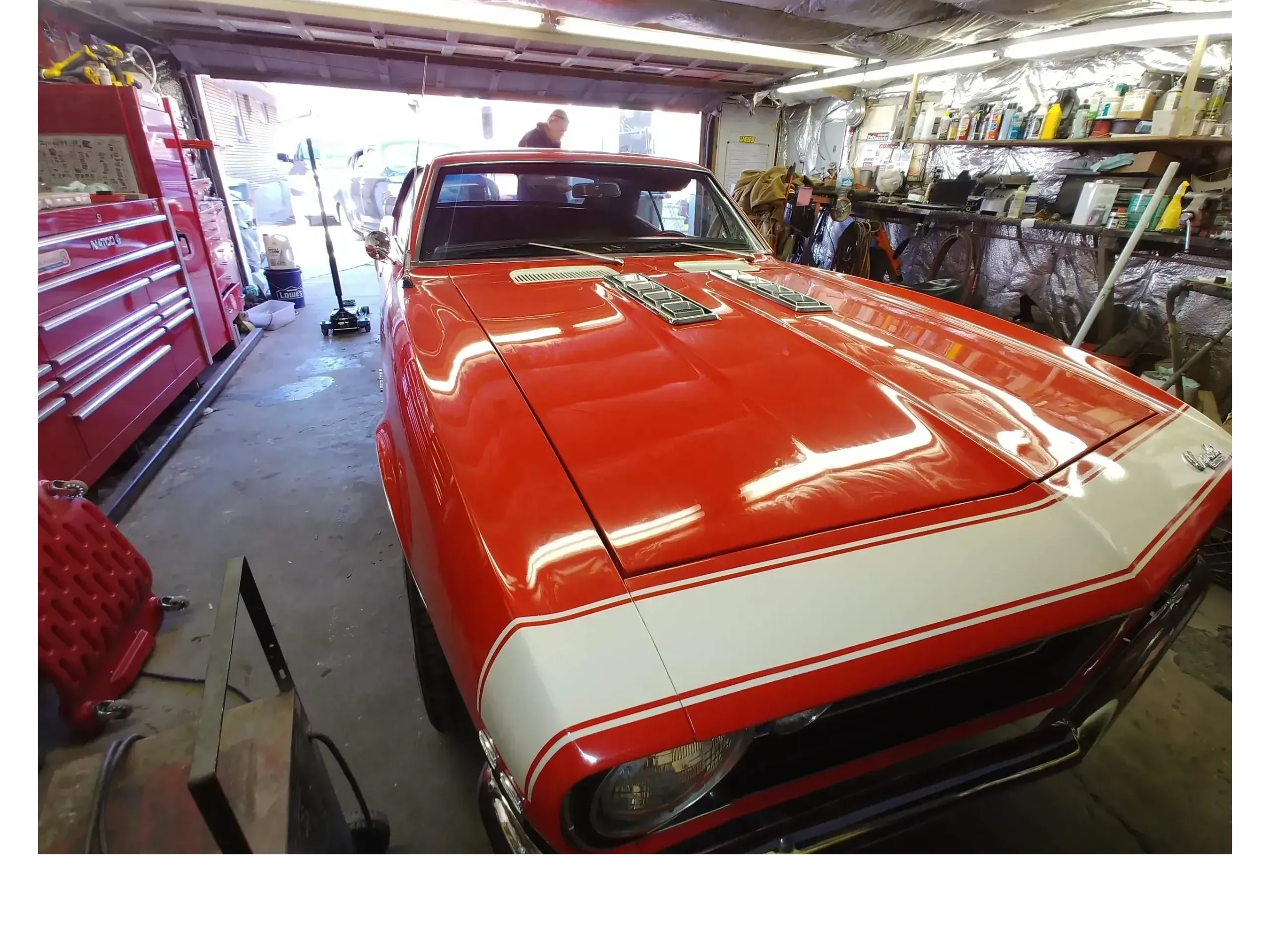
Imagine unlocking the garage to reveal a 1970s muscle car—once forgotten, now roaring back to life with gleaming chrome and that unmistakable V8 rumble. Classic car restoration isn’t just about refurbishing metal and rubber; it’s a journey of patience, craftsmanship, and passion that transforms decay into timeless beauty. For enthusiasts across Utah and beyond, this rewarding pursuit blends history, engineering, and artistry into one fulfilling experience. In this guide, you’ll learn why restoring vintage GM and Mopar vehicles captures hearts, how to assess a project car’s potential, and the foundational steps every restorer must take. From evaluating frame integrity to sourcing correct-era trim, we’ll break down complex processes into manageable actions you can start today. Whether you're in Salt Lake City or surrounding areas, local climate and access to specialty parts play key roles in your restoration timeline. You’ll discover how detailing matters—from undercarriage rust treatment to authentic paint finishes—and how thoughtful planning prevents costly delays. Most importantly, you’ll gain confidence to begin, knowing every bolt you tighten brings a piece of automotive history closer to the open road.
How to Evaluate a Classic Car Project: A Step-by-Step Guide
1. Inspect the Frame and Body Integrity
Check for rust, especially in floor pans, rocker panels, and frame rails—common trouble spots in vintage GM and Mopar models. Use a paint thickness gauge to detect prior repairs or overspray. Even minor corrosion can signal deeper structural issues.
2. Evaluate the Engine and Drivetrain
Determine if the powertrain is original or swapped. Look for casting numbers and date codes to verify authenticity. A running engine is ideal, but even a seized motor can be rebuilt with proper assessment. Listen for knocking or ticking during startup.
3. Assess Interior and Trim Components
Check dashboard condition, seat upholstery, and glass for cracks or weathering. Missing or damaged trim pieces can be costly to source, especially for limited-production models common in Salt Lake City’s collector market.
4. Research Market Value and Rarity
Compare recent sale prices of similar-year and model vehicles in comparable condition. Consider regional demand—classic muscle cars hold strong value in the Western U.S.Pro Tip: Always test-fit major components before committing to a full frame-up restoration.
Your Workshop Essentials: Top 5 Tools Every Classic Car Restorer Must Own
Equipping your garage with the right tools isn’t just about convenience—it’s the foundation of precision, safety, and long-term success in classic car restoration. Whether you're working in a Salt Lake City garage or a rural shop, having the proper equipment streamlines the process and ensures authentic, high-quality results. Here are the top five essential tools no restorer should be without.
1. OBD2 Code Scanner with Classic Car Compatibility
Modern diagnostic tools aren’t just for new vehicles. Advanced scanners that support OBD1 and pre-OBD systems let you troubleshoot vintage electronics in classic GM and Mopar models. Look for one with manufacturer-specific protocols to decode ignition issues, fuel delivery problems, and electrical gremlins common in older muscle cars.
2. 3/8-Inch and 1/2-Inch Drive Torque Wrench Set
Restoring originality means adhering to factory torque specifications. Over-tightening cylinder heads or suspension components can lead to catastrophic failure. A dual-drive torque wrench set ensures accuracy across engine, drivetrain, and chassis work—critical when reassembling period-correct engines.
3. Dual-Stage Air Compressor with Moisture Drain
A reliable air source powers impact wrenches, sandblasters, and paint sprayers. Opt for a 60-gallon vertical tank with automatic moisture drainage—especially important in humid climates—to prevent rust and ensure clean airflow for paint finishing.
4. Precision Paint Thickness Gauge (Coat Meter)
Before stripping paint, use a digital coating meter to assess original finishes versus prior repaints. This non-destructive tool helps preserve factory-applied paint, a key detail for m
Muscle car authenticity and valuation.
5. Rotary Tool with Restoration-Specific Accessories
From removing rust in tight crevices to engraving VIN tags, a high-speed rotary tool with carbide burrs, wire brushes, and polishing kits offers unmatched versatility for detailed metalwork and trim restoration. Investing in these core tools sets you up for efficient, accurate, and professional-quality rebuilds—directly impacting the integrity and value of your finished classic.
Navigating Rust, Rot, and Rare Parts: Tackling GM and Mopar Restoration Challenges
How Climate and Location Shape Your Restoration Strategy. Climate and location play a pivotal role in every stage of classic car restoration—especially in areas like Salt Lake City, Utah, where extreme temperature swings and dry, high-altitude conditions create unique challenges. The arid desert air accelerates metal corrosion when moisture does appear, such as during spring thaws or seasonal humidity spikes, making rust prevention a year-round priority. Garage storage is more than convenience—it’s a protective measure. Vehicles stored outdoors face UV damage that fades paint and deteriorates rubber and vinyl trim. In regions with dramatic temperature shifts, thermal cycling can weaken joints, adhesives, and finishes over time. To counter this: Use climate-controlled storage to minimize condensation and thermal stress. Apply vapor-corrosion inhibitors (VCI) inside frame rails and enclosed panels. Seal interiors with UV-resistant coatings to combat intense high-desert sun exposure. Additionally, Salt Lake City’s four-season climate means winter storage prep must include fuel stabilization and battery management. Proper ventilation in storage spaces helps prevent off-gassing buildup while reducing moisture. Whether you’re restoring a vintage Mopar or a classic GM muscle car, factoring in local environmental conditions from the outset improves longevity and preserves authenticity. Smart planning today ensures your completed build stays show-ready through Utah’s changing seasons.
Your Top Classic Car Restoration Questions, Answered
1. How much does a full classic car restoration typically cost?
Restoration costs vary widely based on the vehicle’s condition, rarity of parts, and labor intensity. Projects can range from $20,000 for a partial restoration with DIY contributions to over $100,000 for frame-off, concours-level builds. Factors like rust repair, interior craftsmanship, and paint quality significantly influence pricing—especially in climates prone to corrosion, such as regions with harsh winters.
2. How long does a professional restoration take?
Most full restorations require 6 to 18 months, depending on complexity and workshop capacity. Muscle cars from the 1960s and ’70s, such as vintage GM or Mopar models, often need specialized parts sourcing, which can extend timelines. Projects in Salt Lake City and surrounding Utah areas may also account for seasonal shop demand.
3. Do I need mechanical expertise to restore a classic car?
While helpful, hands-on mechanical knowledge isn’t required. Many enthusiasts partner with trusted local restoration shops to manage technical work. Understanding the process—like drivetrain refurbishment, electrical system updates, and suspension tuning—helps ensure informed decisions. Are original parts necessary for authenticity?
Matching-numbers components increase collectibility, but NOS (New Old Stock) and high-quality reproduction parts are acceptable when originals are unavailable. Reputable builders prioritize fit, finish, and function while preserving historical accuracy.
4. Can I drive my restored classic regularly?
Yes, but consider climate and road conditions. Regular use in Utah’s dry seasons is ideal, though older braking and cooling systems may require upgrades for modern reliability.
The Lasting Legacy of Craftsmanship in Muscle Car Revival
Type your paragraph here. Restoring classic muscle cars isn’t just about returning a vintage vehicle to its former glory—it’s a tribute to precision, patience, and unwavering dedication. From frame-off frame restorations to meticulous interior reupholstery, every phase demands an eye for detail and a deep understanding of period-correct engineering. Whether you're working on a vintage Pontiac GTO, a Dodge Charger, or a Chevrolet SS, authenticity hinges on using the right materials, techniques, and factory specifications. Key takeaways from this journey include: The importance of accurate documentation and sourcing OEM-matched parts; the value of rust prevention and metalwork done right the first time; how proper alignment, drivetrain calibration, and paint finishes elevate a car from “good” to “award-winning.”For classic car lovers in Salt Lake City and beyond, the garage isn’t just a workspace—it’s a sanctuary where horsepower and history collide. If you're ready to begin or advance your restoration, start by auditing your progress, consulting technical manuals, and connecting with skilled specialists who understand vintage GM and Mopar platforms. Let passion lead the way—your dream muscle car deserves nothing less.
About The Author