Build Your Custom Car | From Concept To Reality
The Allure of Building Bespoke: Why Custom Cars Captivate Enthusiasts
For automotive lovers, few pursuits match the thrill of transforming a vision into a one-of-a-kind machine. Custom car building merges artistry, engineering, and nostalgia into a deeply personal journey—one that resonates powerfully with enthusiasts across Salt Lake City and throughout Utah’s passionate car culture. Whether it’s a ground-up restomod, a pro-touring build, or a street rod inspired by golden-era hot rods, the process allows owners to express individuality while honoring automotive heritage.
What draws so many to this craft? It’s the freedom to design performance, aesthetics, and function exactly to personal taste—choosing everything from suspension geometry and drivetrain specs to paint finishes and interior materials. Unlike factory-built models, custom builds prioritize intention over compromise. And for many, the journey is just as rewarding as the finished product, offering hands-on engagement with mechanical systems, fabrication techniques, and design principles.
This guide walks you through each phase of the custom car process—from initial concept and design sketches to metalwork, paint, and final assembly—giving you the insight needed to make informed decisions. You’ll learn how to balance style with drivability, select compatible components, and avoid common pitfalls that delay builds or inflate budgets. Whether you’re a seasoned fabricator or a first-time builder, mastering the craft starts with understanding the fundamentals. Let’s explore how raw metal evolves into rolling sculpture.
From Vision to Blueprint: Your Step-by-Step Guide to Custom Car Conceptualization
Turning a dream car into reality starts long before welding or painting—it begins with clear, strategic conceptualization. For custom car enthusiasts in Salt Lake City and throughout Utah’s vibrant automotive scene, starting strong means defining your purpose, gathering inspiration, and translating ideas into actionable design plans.
Step 1: Define Your Build Goal. Ask yourself: Will this be a weekend cruiser, a show-stopper, or a high-performance restomod built for mountain roads? Your answer shapes every decision—from suspension specs to body style.
Step 2: Gather Visual Inspiration Curate a mood board using era-specific muscle cars, modern restomods, or regional builds that reflect Southwest aesthetics. Focus on consistent design language, such as grille patterns, fender flares, or wheel stance.
Step 3: Sketch Multiple Design Iterations Begin with hand-drawn or digital sketches in side, front, and ¾ view. Experiment with proportions, hood scoops, rooflines, and custom trim. Avoid one-off concepts—refine at least 3 variations.
Step 4: Annotate for Feasibility Add notes to your sketches: intended paint finishes, window tint levels, tire-and-wheel combos, and interior materials. This aligns aesthetic goals with mechanical and budgetary realities.
Pro Tip: Enthusiasts in dry climates like Utah benefit from durable material choices—think stainless trim and UV-resistant upholstery—so factor local conditions into your initial concept. A strong foundation in design saves time, money, and regrets down the road.
5 Core Metal Fabrication Skills Every Custom Car Builder Must Master
Turning a dream machine into reality demands more than just vision—it requires mastery of essential metal fabrication techniques. For builders across Salt Lake City and the wider Intermountain West, where restomods and vintage muscle thrive in dry climates and open roads, these skills form the backbone of durable, head-turning builds.
- Precision TIG and MIG Welding: Strong, clean welds are non-negotiable in chassis work, patch panels, and roll cage assembly. TIG welding excels on thin sheet metal and aluminum, offering control for show-quality finishes. MIG is ideal for structural steel joints. Maintain consistent travel speed, proper gas flow, and correct amperage to prevent warping—especially on vintage unibody frames common in classic American muscle.
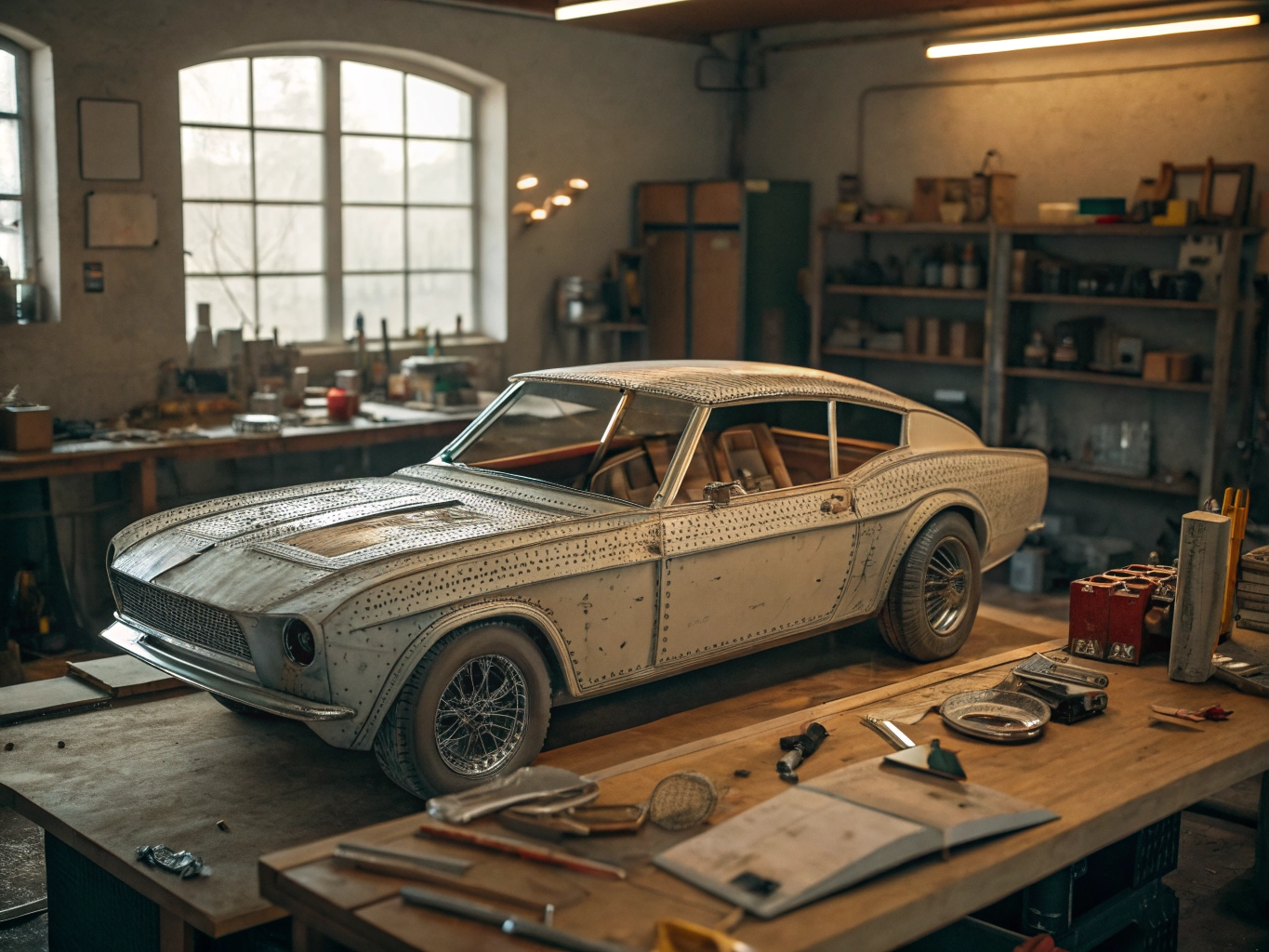
- Metal Shaping with English Wheels and Dollies: Creating seamless compound curves for fenders, hoods, or custom scoops requires metal manipulation. An English wheel stretches metal evenly, while planishing hammers refine contours. Learning how to shrink a 3-inch ring or use a sand bag for forming ensures smooth panel transitions—critical when modifying original body lines.
- Plasma Cutting with Template Accuracy: Efficient, clean cuts start with a quality plasma cutter and a steady hand. Use cardboard or MDF templates for complex shapes like transmission tunnels or firewall openings. Always cut oversized and grind to fit—this reduces stress on surrounding metal and ensures better alignment during mock-ups.
- Tube Notching for Frame and Suspension Work Perfectly mated tubing joints are essential for control arms, roll cages, and custom subframes. Master freehand notching with a rotary tool or use a jig for repeatable 360-degree fits. Clean, tight joints minimize weld gaps and increase structural integrity—especially important when upgrading to modern suspension systems.
- Bead Rolling and Panel Reinforcement Adding longitudinal or transverse beads to floorpans, trunk floors, or rocker boxes increases rigidity without adding weight. Bead rolling also delivers signature race-inspired aesthetics. Combine this with gusseting and strategic bracing for builds that handle mountain passes and high-speed cruising with confidence.
Mastering these techniques transforms raw steel into drivable art—laying the groundwork for a build that’s as solid beneath the surface as it is stunning to behold.
Form Meets Function: Comparing Stock-Style Restorations and Performance-Driven Builds
When embarking on a custom car build, one of the first pivotal decisions is choosing between a stock-style restoration and a performance-focused modification approach. Each path offers distinct advantages, and understanding their differences helps align your build with both personal goals and practical use—especially in regions like Salt Lake City, where scenic mountain drives and dry desert climates influence how vehicles perform and age.
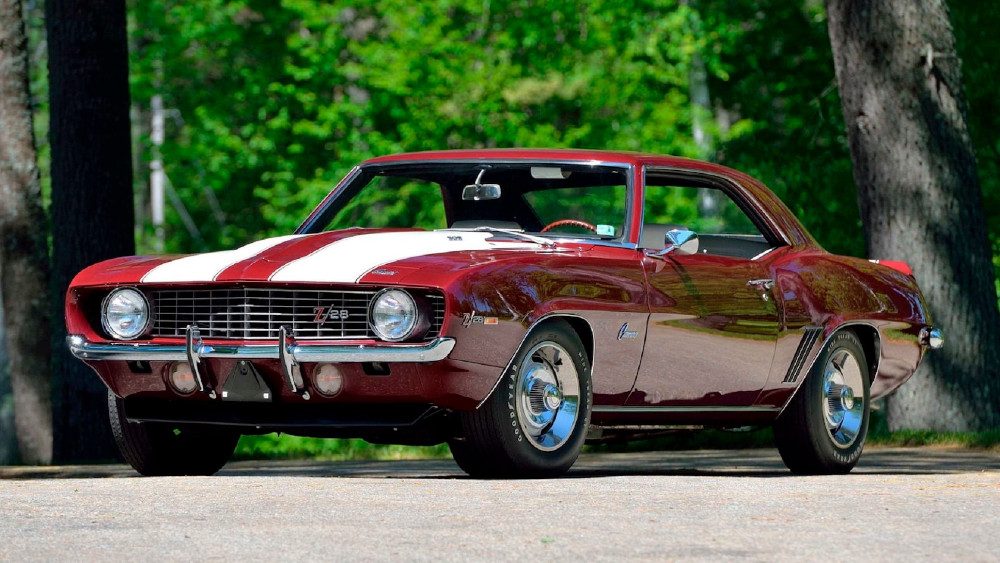
Stock-style restorations prioritize authenticity, aiming to return a vehicle to its factory-original condition. These builds often use OEM-spec parts, period-correct finishes, and meticulous attention to detail to appeal to purists and collectors. Benefits include higher resale value in enthusiast markets, greater compatibility with original blueprints, and eligibility for judged car shows. However, they may lack modern safety features, ride comfort, or reliability over long distances.
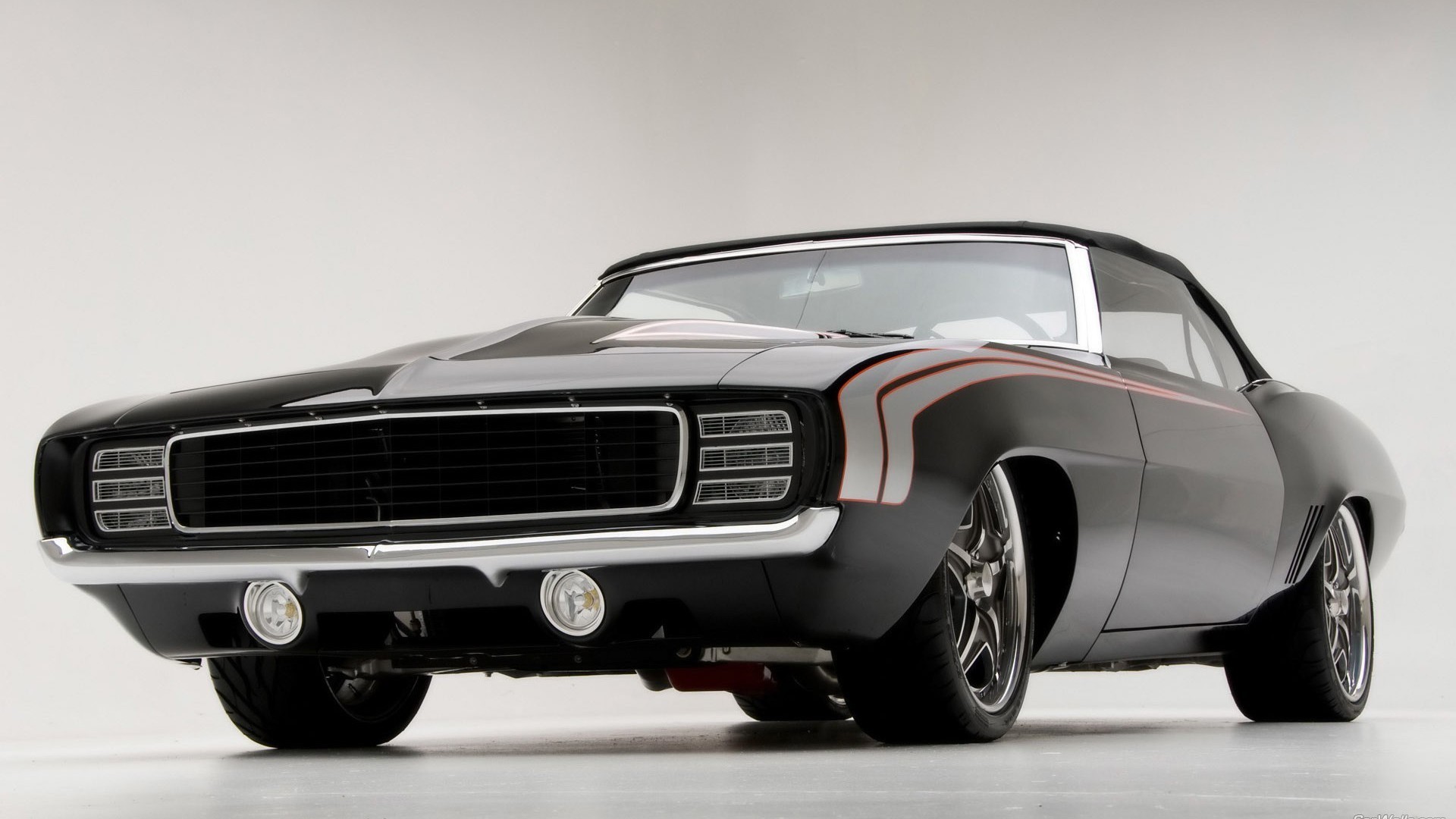
Performance-driven builds, on the other hand, emphasize drivability, horsepower, and handling. These projects typically integrate modern suspension systems, high-output engines, and upgraded braking platforms. While they may deviate from factory aesthetics with custom wheels, lowered stances, or aerodynamic enhancements, they offer superior road performance—ideal for canyon carving or cross-state cruising in the Western U.S.
Key considerations when choosing:
- Intended use: Daily driver or weekend cruiser?
- Climate impact: Dry air preserves paint and metal, favoring detailed restorations
- Long-term value: Originality often wins at auctions, while performance attracts driving enthusiasts
- Maintenance access: OEM parts are easier to source locally in Utah’s active car culture
The smartest builds often blend both methodologies—retaining classic lines while embedding modern engineering beneath the surface.
Overcoming Common Custom Car Build Challenges in Utah’s Unique Environment
Custom car projects often face unexpected hurdles that can derail timelines and inflate budgets—especially in regions like Salt Lake City and across Utah, where environmental and logistical factors play a major role. One of the most frequent issues is budget overruns, typically caused by unforeseen repairs such as hidden rust, outdated wiring harnesses, or compromised structural components that only become apparent after disassembly. To avoid these surprises, conduct a thorough inspection of the donor vehicle early and allocate a contingency fund—ideally 20–30% of your initial estimate—for unexpected fixes.
Part compatibility is another critical challenge. Mixing modern performance components like fuel-injected engines, overdrive transmissions, or coilover suspensions with vintage chassis platforms requires precise engineering. Misaligned drivelines, insufficient frame clearance, or incompatible mounting points can lead to costly rework. Always perform dry-fits before final installation and verify dimensions using factory service manuals or digital modeling tools.
Environmental conditions in Utah’s high-desert climate also impact builds. Extreme temperature swings between day and night can affect paint curing times, adhesive bonding, and metal expansion during fabrication. Dust and low humidity further complicate cleanroom work like painting or interior assembly. Working in a sealed, climate-controlled shop minimizes these effects and ensures consistent results.
By planning for these realities upfront—from regional climate impacts to component interoperability—builders can maintain momentum and achieve higher-quality outcomes.
Your Top Questions About Starting and Completing Custom Car Builds—Answered
How do I know if my custom car build idea is realistic? Start by evaluating your donor vehicle’s compatibility with desired modifications—consider frame geometry, engine bay clearance, and suspension design. Research similar builds to gauge complexity, and factor in regional conditions like Salt Lake City’s dry climate, which can affect paint adhesion and metal integrity. A feasible build aligns with your skill level, timeline, and realistic budget expectations.
What’s the typical cost range for a full custom build? Most ground-up builds range between $25,000 and $100,000+, depending on whether it’s a DIY or professional project. Major cost drivers include the chassis, drivetrain, paint, and custom fabrication. Always include a 20–30% contingency for hidden corrosion, rare parts, or redesigns—common in older muscle cars prevalent across Utah.
Should I tackle the build myself or hire a professional shop? Assess your access to tools, workspace, and expertise. While DIY saves on labor, complex tasks like TIG welding, electrical integration, or suspension geometry often require professional precision. Many builders in the Intermountain West choose a hybrid approach: handling interior and finish work themselves while outsourcing critical structural fabrication.
How long does a custom car build usually take? Expect 12 to 36 months for completion. Timelines depend on part availability—especially NOS or reproduction components—workshop capacity, and build complexity. Projects in areas like Salt Lake City may face seasonal shipping delays or weather-related interruptions, so planning with buffer time is crucial.
What are the top mistakes beginner builders should avoid? Common pitfalls include skipping proper planning, underestimating costs, and making aesthetic choices that compromise drivability. Avoid over-modifying for style—wide stances or aggressive suspensions can hinder performance if not engineered properly. Always document each stage for troubleshooting and provenance.
Bringing It Home: Final Insights for a Successful Custom Build
Completing a custom car build is a milestone that blends creativity, technical mastery, and persistence. As you approach the finish line, remember that the most rewarding builds aren’t just about aesthetics or power—they’re about purpose. Whether you’re crafting a show-winning restomod or a high-performance cruiser built to dominate the open roads of Utah and the Intermountain West, your success hinges on consistency, planning, and attention to detail.
Start by conducting a final review of your goals. Does the completed build align with your original vision for performance, style, and usability? Inspect every component—suspension fitment, electrical integrity, paint finish, and interior craftsmanship—to ensure quality and cohesion. Take time to road-test the vehicle under diverse conditions, especially if you’re in a region with elevation changes or seasonal extremes, as these can affect tuning and drivability.
Documentation is another often-overlooked key to long-term value. Maintaining records of parts sourcing, fabrication work, and system upgrades enhances resale appeal and simplifies future maintenance. Lastly, share your build story. Enthusiasts in Salt Lake City and beyond thrive on authentic journeys that inspire the next generation of creators.
Your dream car isn’t just finished—it’s ready to make memories. Keep refining, keep driving, and stay connected to the builder community. The road doesn’t end here; it’s just shifting into high gear.
About The Author