FAQ About Muscle Cars, Restoration, and Customization
Most Common Questions About Muscle Cars, Restoration, and Customization
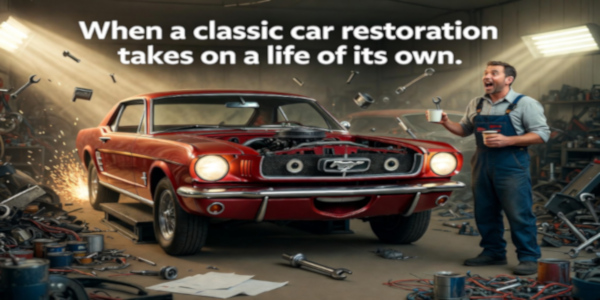
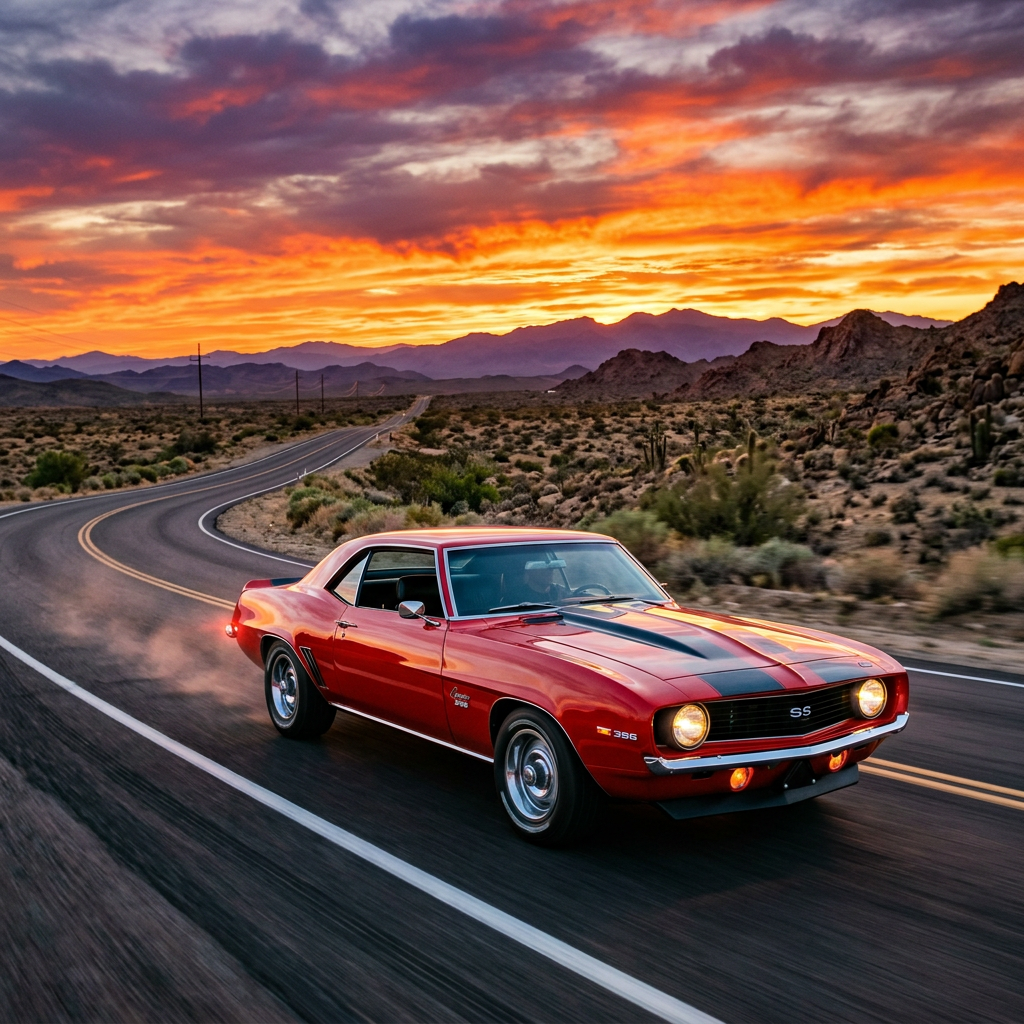
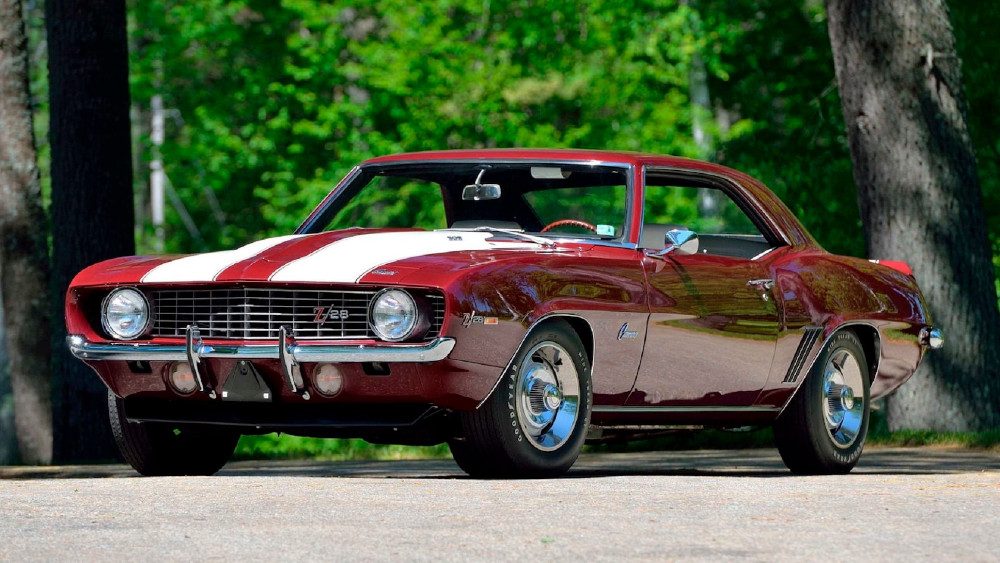
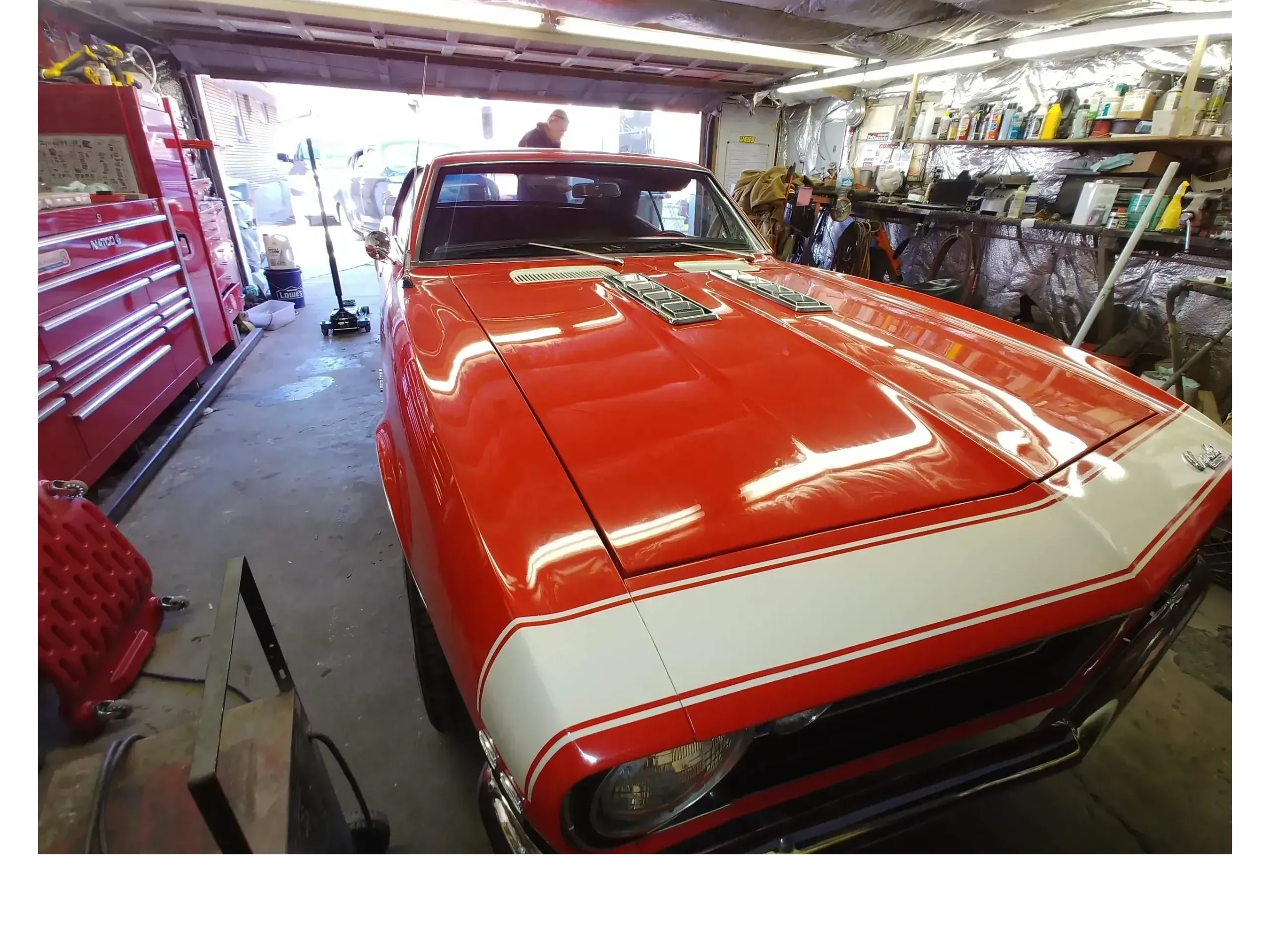
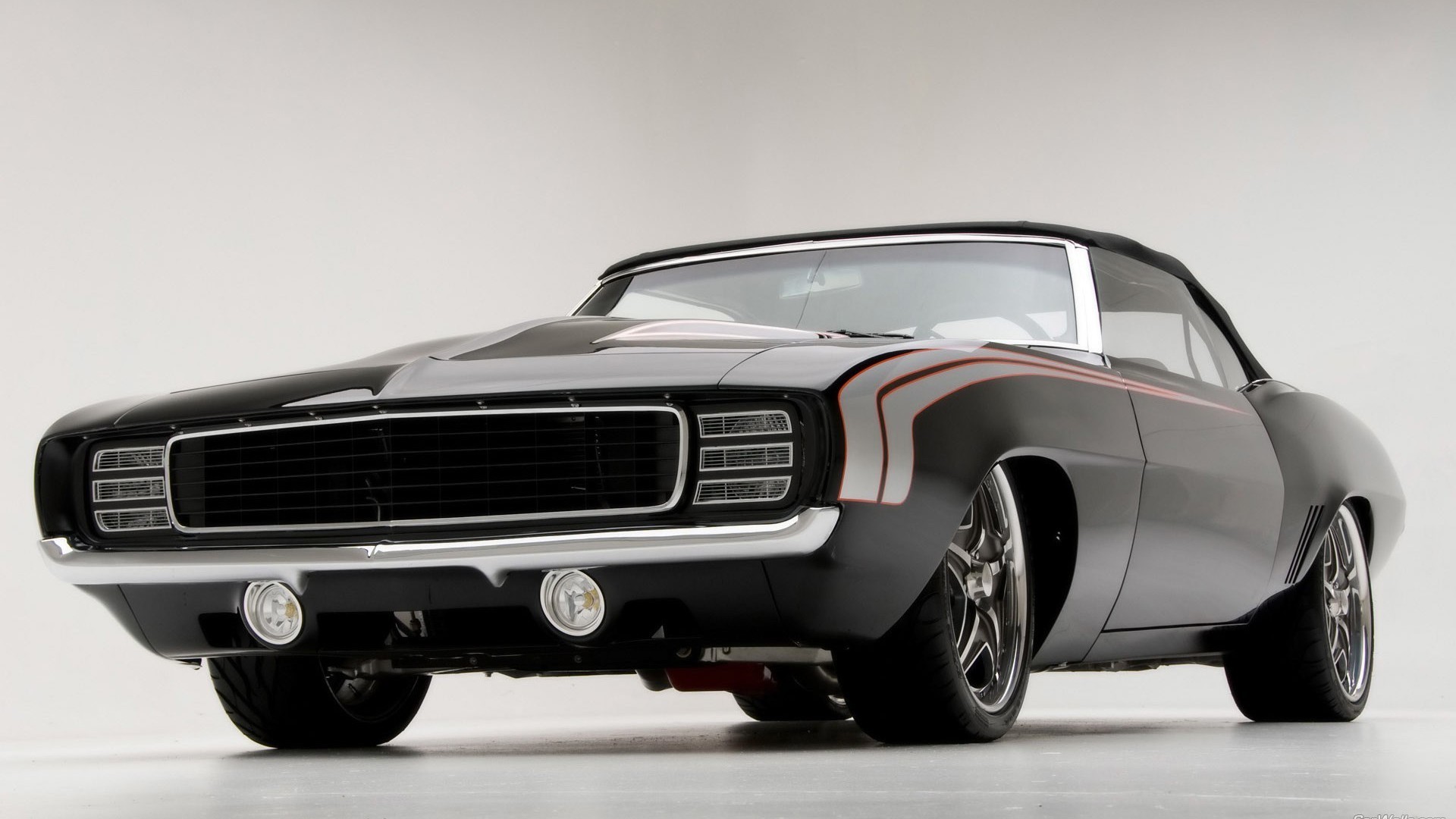
Enthusiasts diving into classic muscle cars—think 1960s-70s Mustangs, Camaros, GTOs, Chargers, or Chevelles—routinely ask the same practical questions. Forums, restoration shops, and books like How to Restore Your Muscle Car reveal recurring themes: cost, planning, originality vs. modification, and avoiding rookie pitfalls. Here are the top questions people ask, distilled from real-world discussions.
1. How much does a full restoration or customization really cost?
This tops every list. A basic “driver-quality” refresh might run $15,000–$30,000 for a solid project car, while a frame-off, concours-level job or pro-touring restomod easily hits $75,000–$150,000+. Shops advise budgeting 30% extra for surprises like hidden rust or wiring issues. Customization (modern suspension, big brakes, EFI engines) adds $20,000–$50,000 but can boost drivability without killing resale if done reversibly.
2. Where do I even start?
Beginners ask, “Should I buy a running car or a barn find?” The consensus: buy the straightest, most complete example you can afford. Inspect for rust in floors, torque boxes, and frame rails first. Create a detailed plan—stock restoration, mild refresh, or full restomod—before touching a wrench. Many regret full disassembly without photos, labels, or a 20-page questionnaire outlining goals for paint, engine, interior, and drivetrain.
3. Which muscle car is easiest for a first-timer?
Popular picks: 1967-69 Camaro, first-gen Mustang, or 1968-72 Chevelle/GTO. They have massive aftermarket support, reproduction panels, and shared GM/Ford platforms. Avoid ultra-rare big-block or low-production cars unless you’re experienced—parts are scarce and expensive.
4. Restore original or customize (restomod/pro-touring)?
Purists want numbers-matching, factory-correct builds to preserve value and history. Others prefer restomods: classic looks with modern EFI engines, disc brakes, coil-over suspension, and better handling. Reversible mods (bolt-on upgrades) rarely hurt value and often increase it by making the car more usable. Irreversible changes to a rare, original car can tank collectibility. Popular engine-swap examples include:
• GM LS3 (6.2L, ~430 hp) into a 1968-69 Camaro or Chevelle: The most common swap—compact, lightweight, cheap crate engines (~$8,000), and endless wiring kits. Adds modern fuel injection, reliability, and 400+ lb-ft without butchering the bay.
• Ford Coyote 5.0L (460 hp) into a 1965-70 Mustang: Retains Ford DNA with 32-valve DOHC power and 10,000-rpm rev limit. Uses factory control packs for easy tuning; perfect for pro-touring.
• Gen III 6.4L Hemi into a 1968-70 Dodge Charger: Delivers massive low-end torque (475 lb-ft) and modern electronics. Aftermarket K-member kits make it bolt-in friendly for Mopar fans wanting big-block feel with EFI efficiency. Popular restomod suspension upgrades include:
• QA1 or Ridetech coil-over kits on a 1968-72 Chevelle/GTO (GM A-body): Replace stock leaf springs or coils with fully adjustable front/rear coilovers. Drops ride height 1–2 inches, eliminates axle hop, and sharpens cornering while retaining a factory look.
• Detroit Speed or UMI tubular control arms + upgraded sway bars on 1967-69 Camaro/Firebird: Bolt-on geometry improvements, poly/Delrin bushings, and larger front/rear bars reduce body roll and flex. Pairs perfectly with wide tires for pro-touring grip.
• BMR or Heidts K-member/coil-over conversion on 1965-70 Mustang: Swaps the heavy stock front end for lighter tubular arms, rack-and-pinion steering, and adjustable coilovers. Transforms vague handling into a precise, modern response without major cutting. Popular brake system upgrades include:
• CPP disc brake conversion kit (11-13" rotors) on a 1968-72 Chevelle/GTO (GM A-body): Complete bolt-on front/rear discs with power booster, master cylinder, and proportioning valve. Replaces dangerous original drums for strong, fade-free stops that fit under stock 15" wheels—budget-friendly and reversible.
• Wilwood Dynalite or Aero6 big brake kit on 1967-69 Camaro/Firebird: 4- or 6-piston calipers with drilled/slotted rotors. Massive clamping force and heat dissipation for high-hp restomods; clears 15-17" wheels when paired with modern tires.
• Baer or Wilwood 4/6-piston upgrade on 1965-70 Mustang: Converts drums to discs (or upgrades existing) with stainless lines and adjustable bias valve. Delivers modern pedal feel, shorter stopping distances, and track-ready performance without cutting the frame.
5. DIY or hire a pro shop?
Assess your skills honestly. Basic mechanical work and assembly suit home garages with the right tools (engine hoist, welder, sandblaster, electrical testers). Bodywork, paint, and complex wiring usually require professionals. Ask shops: examples of similar jobs, labor rates, wait times, warranties, and photo-update policies. Expect 1–3 years for a full project.
6. How do I source parts without getting ripped off?
New-old-stock (NOS), quality reproductions, or aftermarket? Reputable suppliers like Summit Racing, Classic Industries, or Original Parts Group are go-to. Keep original parts for potential future resale. For customs, performance upgrades (cold-air intakes, headers, wide wheels) are plentiful but research compatibility first.
7. What are the biggest mistakes to avoid?
Top answers: no plan, buying rusty “solid” cars, underestimating body/paint time and cost, poor organization (lost hardware), skipping documentation, and ignoring modern safety (brakes, seats, tires). Start small, document everything, and tackle one system at a time.
8. Will it be worth it financially?
Type your paragraph here. Rare, documented, original cars often appreciate. Daily-driver restomods gain usability and broader appeal. Most owners say the hobby’s real payoff is the pride of a finished car, weekend cruises, and community—not flipping for profit. Muscle-car restoration and customization reward patience and research.
Whether chasing factory authenticity or modern muscle (via smart swaps like LS3/Coyote engines paired with QA1/Ridetech suspension and CPP/Wilwood/Baer brakes), clear goals and realistic expectations separate successful builds from stalled projects. Start with a solid car, detailed plan, and trusted resources—you’ll join thousands who’ve turned questions into show-ready rides.
About The Author