
Top 5 Muscle Car Restoration Secrets
Every year, thousands of classic muscle car owners in Salt Lake City and across the nation embark on the rewarding journey of restoration—but few realize the full impact a proper rebuild can have on performance, value, and driving pride. With iconic models like vintage Chevelles, Chargers, and Road Runners increasingly sought after, preserving their authenticity while upgrading durability is more important than ever. A thoughtful restoration isn’t just about turning back the clock—it’s about ensuring your muscle car thrives for decades to come.
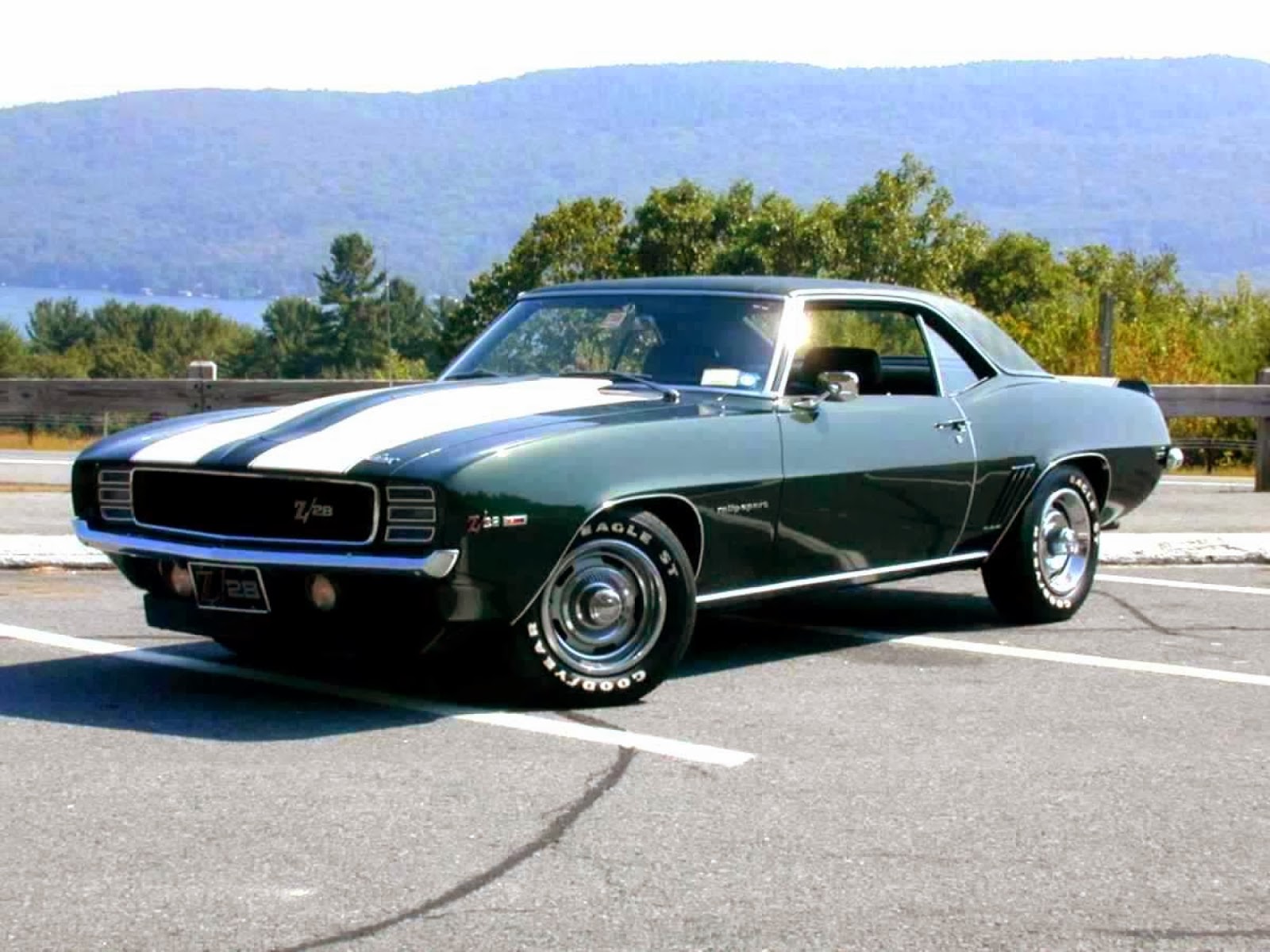
Unlock the True Potential of Your Classic American Muscle
Dismantling Your Classic Muscle Car: A Step-by-Step Guide
Starting a muscle car restoration begins with careful dismantling—done right, it sets the foundation for a flawless rebuild. Follow these essential steps to ensure every component is preserved, documented, and protected.
1. Document Everything
Before removing a single bolt, photograph and label all systems. Use a systematic numbering system for wires, hoses, and fasteners unique to each panel or component. This is critical when reassembling rare or customized parts.
2. Drain All Fluids Safely
Remove engine oil, coolant, brake fluid, and fuel following EPA guidelines. In Salt Lake City and similar climates, improper disposal can lead to fines—always use approved containers and recycling centers.
3. Remove Interior Components
Start with seats, trim, dashboard, and carpet. Wrap delicate parts like gauges and emblems in acid-free paper. Store hardware in clearly marked bags with corresponding labels.
4. Take Off Body Panels & Trim
Remove bumpers, fenders, and hood with care. Note alignment marks for correct installation. Use proper panel lifting tools to prevent warping.
5. Disconnect Drivetrain & Suspension
Support the engine with a hoist before detaching mounts. Label wiring harnesses and brake lines. Keep ball joints and control arms assembled when possible to maintain factory settings.Pro Tip: Store small parts in a dedicated organizer and keep the project workspace clean and climate-controlled to prevent corrosion.
1. Frame Rail Straightening Gauge: The Unsung Hero of Alignment Precision
A true frame-up restoration starts with a perfectly aligned foundation. For vintage GM and Mopar muscle cars—especially models from the 1960s and 1970s—the factory frame dimensions are critical to proper suspension geometry, door fitment, and overall structural integrity. A frame rail straightening gauge allows restorers to measure critical points along the frame, ensuring squareness down to the millimeter. Without this tool, even slight twists from years of sagging or improper storage can lead to persistent panel gaps and handling issues. In garages across Salt Lake City and throughout Utah’s classic car restoration scene, precision measurement is non-negotiable. This tool pairs with a solid bench system to validate alignment before suspension or body mounting begins. Invest in a calibrated, OEM-compatible gauge specific to your vehicle’s platform—GM A-body and Mopar B-body cars each require unique reference points. Used correctly, this device prevents costly rework and ensures your suspension components sit exactly where they should, preserving original driving dynamics.
This is a title2. Dual-Stage Sandblaster with Dust Collector: Strip It Clean, Safely
When restoring a vintage muscle car down to bare metal, removing layers of old paint, undercoating, and rust is essential—but not all stripping methods are equal. A dual-stage sandblaster with integrated dust collection delivers aggressive media blasting while containing harmful particulates, a crucial feature for home and professional shops alike. Unlike basic sanders or chemical strippers, this system exposes clean metal uniformly, revealing rust pockets and patch repairs often hidden beneath layers. Restorers working on classic Chevrolet or Plymouth models benefit from the ability to process large frame sections, floor pans, and quarter panels efficiently. Pairing the blaster with garnet or aluminum oxide media ensures minimal warpage on thin sheet metal. In Utah’s dry climate, dust management is especially important—containment protects both the restorer’s health and nearby components. This tool prepares the entire vehicle for accurate metal shaping and creates a pristine surface for E-coat or primer application, laying the foundation for a show-quality finish.
3. Rotary Hammer with Chisel Kit: Break Concrete, Free Stuck Components
Even the most complete barn-find muscle car can harbor seized parts, from rust-welded exhaust manifolds to frozen ball joints. A rotary hammer with a full chisel kit becomes indispensable during disassembly, especially when dealing with decades of corrosion on GM or Mopar underpinnings. Unlike standard drills or impact guns, this tool combines hammering force with rotation, delivering brute strength to crack loose stubborn components without damaging surrounding areas. Think of cracked brake lines, seized control arm bolts, or exhaust flanges fused by time—common challenges in Salt Lake City garages where winter road salts accelerate corrosion. Use pointed chisels for precision work and flat blades for prying apart joints. Always angle strikes to avoid gouging frame rails or suspension mounts. For vintage restorers aiming to preserve originality, this tool enables controlled extraction, reducing the need for unnecessary replacement parts. Mastering its use saves hours and protects the vehicle’s integrity during early teardown phases.
4. Panel-Beating Hammer and Dolly Set: Sculpt Metal Like the Original Craftsmen
Perfect panel fitment separates a good restoration from a professional-level build. While replacement sheet metal is available, nothing beats preserving original fenders, hoods, and quarter panels using proper panel-beating hammers and dollys. These hand tools allow precise metal shaping, removing dents, flattening waves, and restoring factory contours without filler. Vintage GM and Mopar bodies often feature compound curves found only in the ’60s and ’70s, making generic fixes inadequate. A selection of curved, flat, and offset dollies paired with smooth-face hammers enables restorers to work metal grain correctly, minimizing stress cracks. In Utah shops where concours-level finishes are standard, mastering this set means doors close flush, hood gaps remain consistent, and body lines flow seamlessly. Practice on scrap panels first, and always use light, repetitive strikes. Pair these tools with a metal shrinker/stretcher for larger corrections, ensuring your restored muscle car looks as factory-fresh as it drives.
5. Digital Paint Thickness Gauge: Detect Hidden Repairs and Substrate Issues
Before primer or color goes on, verifying body panel integrity is a must. A digital paint thickness gauge is a small but critical tool that measures existing paint buildup across body panels, helping identify areas previously damaged or repaired. Factory-original panels on classic Chevelles or Road Runners show consistent micron-level readings, while high values often reveal bondo, weld patches, or replacement sections. In restorations, this insight prevents finishing over unstable substrates that could crack or bulge later. It also helps authenticate barn-find vehicles, detecting undocumented repairs that affect value. For restorers in Salt Lake City sourcing donor cars, this tool adds due diligence to purchasing decisions. Take multiple readings per panel—hood, fenders, quarters—and compare across symmetrical sides. Sudden spikes suggest filler; zero readings could mean stripped metal needing corrosion treatment. Using this gauge early ensures only sound, properly prepped surfaces move forward in the build, saving time and materials down the road.
Mastering the Heart of the Beast: Overcoming Engine Rebuild Challenges
Rebuilding a classic muscle car engine is as much an art as it is a science—especially when working with vintage GM or Mopar powerplants from the golden era of American performance. One of the most common hurdles restorers face is locating NOS (New Old Stock) components or compatible modern replacements that maintain originality without sacrificing reliability. Many vintage engines suffer from worn camshafts, pitted cylinder walls, or outdated carburetor setups that struggle with today’s fuel blends. The key is to balance authenticity with functionality by using reconditioned OEM parts or period-correct aftermarket upgrades designed for long-term use.Compression issues often arise due to warped heads or improper deck clearances—problems best addressed with precision machining and a quality torque-to-yield bolt sequence during reassembly. Additionally, ignition timing and fuel delivery must be recalibrated, particularly when adapting to ethanol-blended fuels common in Salt Lake City and across Utah.For DIY enthusiasts, partnering with experienced machine shops familiar with small-block Chevys or big-block Mopars can make all the difference. Always verify bearing clearances with Plastigauge, perform a thorough vacuum test post-build, and break in the engine following manufacturer-recommended RPM ranges to seat rings properly. These expert techniques ensure your restored powerplant delivers both show-winning pride and street-ready performance.
Muscle Car Restoration: Your FAQs Answered
How long does a full muscle car restoration typically take?
Restoration timelines vary widely depending on the car’s condition, parts availability, and desired outcome. A frame-off rotisserie restoration on a rare 1970s GM muscle car can take anywhere from 12 to 24 months. Projects with rare trim or discontinued parts may face longer waits, especially if sourcing NOS (New Old Stock) components. In Salt Lake City, garage space and local climate can also impact progress during winter months.What’s the average cost of restoring a classic muscle car?
While costs fluctuate, a full show-quality restoration generally ranges from $50,000 to over $150,000. Budget restorations (driver-quality) may start around $25,000 but require trade-offs in authenticity. Key cost drivers include sheet metal repair, engine rebuilds, interior reconditioning, and paintwork using OEM-matching finishes.How do I ensure authenticity in my restoration?
Stick to factory specs using original part numbers, correct date-coded components, and period-correct finishes. Reference factory assembly manuals and trim tags to validate builds. Authenticity increases resale value, especially with Mopar and GM muscle from the golden era.Should I restore or preserve my original muscle car?
If your car has original mileage, rare options, or historical significance, preservation may be the better path. Restoring a perfectly preserved vehicle can diminish value. Always consult a restoration specialist familiar with vintage muscle car ethics.Where can I find trustworthy parts for my project?
Seek reputable suppliers offering OEM-equivalent or NOS options. Many restorers in Utah source from local swap meets, national car shows, or online specialty forums. Verify part authenticity with documentation when possible.Can I do part of the restoration myself?
Yes—many enthusiasts tackle tasks like disassembly, research, or interior reupholstery. However, complex jobs like frame alignment or engine blueprints are best left to experts. Partnering with a shop allows access to specialized tools and space.How do I plan a realistic restoration budget?
Start by assessing the car’s condition using a 1–6 point scale (1 = project car, 6 = concours-ready). Account for hidden issues like rust, wiring, and drivetrain wear. Include contingencies—typically 15–20% above initial estimates—to avoid mid-project delays.
Leave a Legacy of Craftsmanship
Restoring a classic muscle car isn’t just about turning wrenches—it’s about preserving automotive history with precision and pride. Throughout this journey, we’ve explored the foundational secrets that set legendary restorations apart: starting with a solid, frame-up assessment; prioritizing authenticity in parts sourcing; mastering paint and bodywork techniques; rebuilding engines to factory specs with modern reliability upgrades; and ensuring every mechanical system functions like the day it rolled off the line. These principles aren’t shortcuts—they’re commitments to quality that enthusiasts in Salt Lake City and across Utah have trusted for decades.True craftsmanship shows in the details: how the fender lines align, the hum of a properly tuned V8, the fit of a console that clicks into place just right. Whether you're working in a home garage or collaborating with seasoned specialists, patience and attention to detail will always trump speed. Document every step, test every circuit, and never compromise on structural integrity.If you're ready to take your project to the next level, consider consulting with restoration experts who live and breathe vintage GM and Mopar performance. Your classic deserves nothing less than excellence—because a well-restored muscle car isn’t just a vehicle. It’s a legacy on wheels, ready to roar through generations.
About The Author